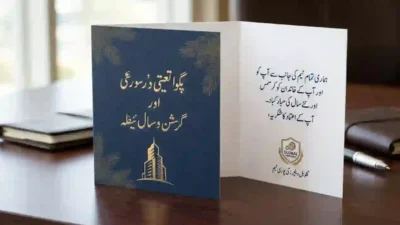
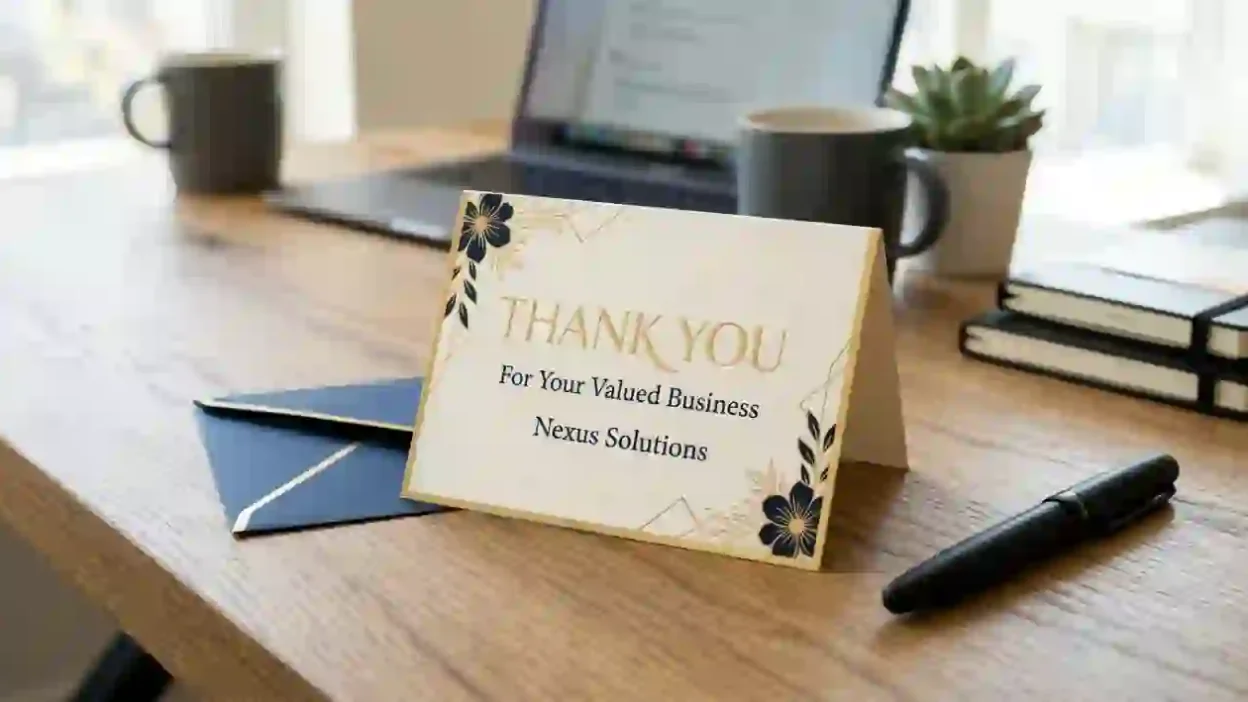
Business thank you cards are professional notes used to express appreciation to clients, customers, employees, business partners, and colleagues. They help strengthen relationships, recognize support, and leave a positive impression. A thoughtful card with a sincere message can make business communication feel more personal and show people that their contributions truly matter.
Key Takeaways
- Business thank you cards help build trust and strengthen professional relationships.
- Personal messages feel more meaningful than generic expressions of gratitude.
- You can send cards to clients, customers, employees, vendors, and business partners.
- The right wording depends on the recipient, occasion, and level of formality.
- Handwritten notes and personalized details can make your appreciation stand out.
Business Thank You Cards
A simple thank you can make a lasting impression in business. Whether you run a small business, manage a team, or work directly with customers, taking a moment to show appreciation helps people feel valued.
Business thank you cards offer a thoughtful way to recognize someone’s time, trust, support, or hard work. You can send them after a successful project, a customer purchase, a business meeting, a referral, or a meaningful partnership. They also work well when you want to thank employees for their dedication or recognize a loyal client.
Unlike a quick email or text, a printed card gives you space to share a personal message that feels intentional. It does not need to be expensive or elaborate to make an impact. A few sincere sentences can communicate respect and gratitude.
In this guide, you’ll learn what business thank you cards are, why companies use them, how to choose the right wording, and which messages work for different professional situations.
What Does “Business Thank You Cards” Mean?
Business thank you cards are printed or digital greeting cards used to express gratitude in a professional setting. They allow businesses and individuals to acknowledge support, celebrate cooperation, or recognize someone’s contribution.
Common recipients include customers, clients, employees, suppliers, contractors, colleagues, and business partners. Companies may send cards after completing a project, receiving a referral, making a sale, or celebrating a business milestone.
These cards can be formal, friendly, or warm, depending on the relationship. Some feature a company logo and branded design, while others use simple stationery with a handwritten note.
The main purpose is to communicate genuine appreciation while maintaining a professional relationship.
Why Use Other Ways to Say “Business Thank You Cards”?
Choosing the right wording helps your message sound natural, specific, and appropriate for the occasion. Although a simple thank you works in many situations, a more personal phrase can communicate exactly what you appreciate.
Here are some reasons to vary your wording:
- Avoid repetition: Use fresh language when sending multiple cards.
- Sound more personal: Mention the recipient’s actual contribution.
- Match the occasion: Adjust your message for a purchase, referral, meeting, or project.
- Build professional relationships: Show clients and partners that you value their support.
- Express genuine gratitude: Recognize effort, loyalty, trust, or cooperation.
- Maintain the right tone: Keep your message formal for new clients and warmer for established relationships.
The goal is not to use complicated language. Instead, choose words that reflect your appreciation honestly.
10 Best Other Ways to Say “Business Thank You Cards”
The following alternatives describe different types of appreciation cards and messages. Some focus on the card itself, while others emphasize the purpose behind sending it.
1. Professional Thank You Cards
Meaning
Professional thank you cards are messages of appreciation designed for workplace and business relationships. They use clear, respectful language without sounding overly stiff or impersonal.
Best For: Professional, Formal, Polite
Example 1: Thank you for sharing your expertise during our recent planning meeting.
Example 2: We appreciate your continued cooperation and look forward to working together again.
Quick Tip: Choose a clean design and keep the message focused on the recipient’s contribution.
2. Client Appreciation Cards
Meaning
Client appreciation cards recognize the trust, loyalty, and support clients bring to a business. They help communicate that the relationship matters beyond an individual sale or transaction.
Best For: Professional, Friendly, Warm
Example 1: Thank you for trusting our team with your latest project.
Example 2: Your continued partnership means a great deal to us, and we’re grateful to have you as a client.
Quick Tip: Add the client’s name and mention a specific project or milestone whenever possible.
3. Customer Thank You Cards
Meaning
Customer thank you cards acknowledge purchases, repeat orders, or support for a business. They are especially useful for online stores, local shops, service providers, and small businesses.
Best For: Friendly, Warm, Polite
Example 1: Thanks for shopping with us! We hope you enjoy your new purchase.
Example 2: We appreciate your order and are happy to have you as part of our customer community.
Quick Tip: For retail customers, use friendly wording that matches your brand’s personality.
4. Corporate Thank You Cards
Meaning
Corporate thank you cards are appreciation messages sent on behalf of a company or organization. They often recognize business partnerships, important meetings, major achievements, or professional support.
Best For: Formal, Professional, Polite
Example 1: On behalf of our team, thank you for your valuable contribution to this initiative.
Example 2: We sincerely appreciate your organization’s support throughout this collaboration.
Quick Tip: Use company stationery and an authorized signature when representing an entire organization.
5. Business Appreciation Cards
Meaning
Business appreciation cards express gratitude for someone’s support, effort, or involvement in a professional relationship. They can recognize both large achievements and everyday actions that help a business succeed.
Best For: Professional, Warm, Friendly
Example 1: Your thoughtful suggestions helped us improve the final presentation, and we truly appreciate your input.
Example 2: Thank you for going the extra mile to help us meet our project deadline.
Quick Tip: Explain what the person did and why it mattered instead of relying on a general compliment.
6. Employee Thank You Cards
Meaning
Employee thank you cards recognize the dedication, performance, teamwork, or extra effort of staff members. They offer a personal way for managers and business owners to show that employees’ contributions are noticed.
Best For: Friendly, Warm, Professional
Example 1: Thank you for your dedication and for helping the entire team stay on track.
Example 2: Your patience and attention to detail made a real difference in this project.
Quick Tip: Personalize the message to recognize a specific achievement rather than using identical wording for everyone.
7. Business Partner Thank You Cards
Meaning
Business partner thank you cards recognize the cooperation and shared effort behind a professional partnership. They are useful for acknowledging successful collaborations, joint projects, and long-term business relationships.
Best For: Professional, Formal, Warm
Example 1: Thank you for your collaboration and for helping us bring this project to completion.
Example 2: We value the trust we’ve built together and appreciate your continued partnership.
Quick Tip: Mention a shared accomplishment to make the message feel relevant to your relationship.
8. Vendor Appreciation Cards
Meaning
Vendor appreciation cards thank suppliers, service providers, and contractors for reliable service or valuable support. They can help maintain positive working relationships and recognize the people who keep business operations moving.
Best For: Professional, Polite, Friendly
Example 1: Thank you for delivering our order on schedule and helping us meet our commitments.
Example 2: We appreciate your consistent service and the care you bring to every order.
Quick Tip: Refer to reliability, communication, quality, or another genuine strength you value.
9. Personalized Business Thank You Cards
Meaning
Personalized business thank you cards include details tailored to a particular recipient. These may feature a person’s name, a reference to a recent interaction, or a message that reflects your shared experience.
Best For: Professional, Friendly, Warm
Example 1: Sarah, thank you for your helpful feedback during our website launch. Your suggestions were valuable.
Example 2: It was a pleasure meeting you at the conference, and I appreciated hearing about your team’s upcoming plans.
Quick Tip: Use one specific detail to make your message personal without including private or unnecessary information.
10. Handwritten Business Thank You Notes
Meaning
Handwritten business thank you notes use a personal, handwritten message to express professional gratitude. They can feel especially thoughtful when you want to acknowledge a referral, important meeting, personal introduction, or exceptional support.
Best For: Formal, Warm, Polite
Example 1: Thank you for taking the time to introduce us to your team. I appreciated the opportunity to connect.
Example 2: Your advice was extremely helpful as we considered our next steps. Thank you for sharing your experience.
Quick Tip: Write legibly, keep the note concise, and sign your name so the recipient knows who sent it.
Comparison Table
| Alternative | Best Used In | Tone |
|---|---|---|
| Professional Thank You Cards | Business meetings and formal communication | Professional |
| Client Appreciation Cards | Client relationships and milestones | Warm |
| Customer Thank You Cards | Retail orders and customer purchases | Friendly |
| Corporate Thank You Cards | Company-to-company communication | Formal |
| Business Appreciation Cards | Recognizing support or effort | Warm |
| Employee Thank You Cards | Staff recognition and teamwork | Friendly |
| Business Partner Thank You Cards | Joint projects and partnerships | Professional |
| Vendor Appreciation Cards | Supplier and contractor relationships | Polite |
| Personalized Business Thank You Cards | Individual clients and important contacts | Personal |
| Handwritten Business Thank You Notes | Referrals, introductions, and special occasions | Warm |
Common Mistakes When Sending Business Thank You Cards
A thoughtful card can strengthen a relationship, but the wrong message may feel impersonal or inappropriate. Avoid these five common mistakes.
1. Using Casual Language in a Formal Setting
Expressions such as “You’re awesome!” may suit a familiar colleague but feel too relaxed for a new corporate client. Match your wording to the recipient and the nature of your relationship.
2. Choosing Overly Formal Language
A message packed with stiff business terms can sound distant. Use straightforward, natural language that communicates respect without making the recipient feel like they are reading a legal notice.
3. Repeating the Same Generic Message
Sending identical notes to every client can make your appreciation seem automatic. Keep a basic template if needed, but add a personal sentence that reflects the recipient’s contribution.
4. Forgetting the Context
A customer who made a purchase and a partner who helped complete a major project deserve different messages. Mention the specific reason for your gratitude so the card feels relevant.
5. Sounding Insincere or Making Promises You Cannot Keep
Avoid exaggerated praise or claims that do not reflect your actual experience. Likewise, do not promise discounts, future work, or special treatment unless you are authorized and prepared to follow through.
Frequently Asked Questions
1. What should you write in a business thank you card?
Start with the recipient’s name, thank them for a specific action, and explain why you appreciate it. For example, you could thank a client for their trust, an employee for their hard work, or a supplier for reliable service. Close with a friendly, professional sign-off that suits your relationship.
2. When should a business send thank you cards?
Send business thank you cards soon after the event or action you want to acknowledge. Good occasions include a customer purchase, a referral, a successful meeting, a completed project, or an employee achievement. Sending a card promptly helps connect your message to the experience and makes your gratitude feel more genuine.
3. Are business thank you cards still appropriate?
Yes. Printed and handwritten cards remain useful options for professional appreciation, especially when a personal touch matters. They can complement emails and other digital communication. The best choice depends on the recipient, company culture, and occasion, so consider whether a physical card would feel natural and welcome.
4. What is the best wording for business thank you cards to clients?
A strong client message is specific, sincere, and focused on the relationship. You might write, “Thank you for trusting us with your business. We appreciate the opportunity to support your goals.” For an established client, add a detail about a recent project or shared success to make the note more personal.
5. Should business thank you cards be handwritten or printed?
Both options work well. Printed cards offer consistency and efficiency when you need to reach many recipients, while handwritten notes can feel more personal for referrals, introductions, and important business relationships. You can also combine both approaches by using a professionally printed card and adding a handwritten message and signature.
6. Can small businesses use thank you cards to retain customers?
Thank you cards can support customer relationships by showing appreciation after a purchase or service. However, they are not a guarantee of repeat business. Combine thoughtful messages with reliable products, responsive customer service, and a positive customer experience to encourage long-term loyalty.
7. What should you avoid writing in a professional thank you card?
Avoid overly familiar jokes, exaggerated compliments, private information, and messages that sound like aggressive sales pitches. Do not include promises you cannot fulfill or pressure the recipient to make another purchase. A short, respectful note that explains your gratitude is usually more effective than a long or overly promotional message.
8. What is the best design for business thank you cards?
Choose a design that reflects your company’s identity without distracting from the message. Neutral colors, readable fonts, quality paper, and a clean layout work for many professional settings. A small logo can reinforce your brand, while a handwritten signature or personalized sentence adds warmth. Always make sure the recipient’s name and message are correct before sending.
Conclusion
Business thank you cards offer a simple way to recognize the people who contribute to your success. Whether you’re thanking a customer for an order, a client for their trust, an employee for their hard work, or a partner for a successful collaboration, the right message can make your appreciation feel genuine.
Start by considering the recipient and the reason for your gratitude. Choose professional wording for formal relationships, friendly language for regular customers, and personalized notes for people who have made a meaningful contribution. If you’re sending cards in large numbers, a printed design can save time, but adding an individual message makes each card more personal.